A Consider the Future: Trends Shaping the Next Generation of Aluminum Foundries
The light weight aluminum foundry industry bases on the verge of considerable change. Automation and advanced technology guarantee to reshape manufacturing processes. Sustainability practices are ending up being important to fulfill ecological criteria. As customization demands rise, the demand for adaptability in manufacturing grows. Collaborative initiatives with tech companions may drive development. These arising patterns recommend a critical change awaits. What difficulties and chances lie in advance for aluminum shops in this evolving landscape?
The Surge of Automation in Aluminum Foundries
The combination of automation in light weight aluminum shops is reshaping the industry landscape. As manufacturers adopt innovative technologies, processes typically reliant on manual work are coming to be significantly automated. This shift not just improves production efficiency however likewise decreases human error, bring about an extra consistent item quality. Robotics and expert system systems are being made use of for jobs such as mold prep work, pouring, and ending up, enhancing operations and minimizing lead times.
Automation promotes the collection and analysis of information, making it possible for shops to optimize their procedures consistently. Predictive upkeep powered by sensors assists in expecting tools failings, resulting in minimized downtime. The labor force is additionally advancing, as workers are adapting right into functions that require oversight of automated systems, concentrating on higher-level analytic and technology. In general, the rise of automation in light weight aluminum foundries represents a substantial development, positioning the industry for boosted productivity and competitiveness in a quickly changing market.
Welcoming Sustainability Practices
Aluminum factories are significantly taking on sustainability practices to address ecological issues. Secret initiatives concentrate on recycling and reuse of materials, along with technologies targeted at boosting power efficiency. Aluminum Foundry. These initiatives not only lower waste yet also add to a more lasting manufacturing process
Recycling and Reuse Initiatives
A considerable change in the direction of sustainability is improving the landscape of light weight aluminum factories, with many adopting cutting-edge recycling and reuse initiatives. This activity emphasizes the value of decreasing waste and making the most of resource performance. Shops are progressively implementing closed-loop systems, permitting scrap aluminum generated throughout production to be recycled and reintegrated into the manufacturing cycle. In addition, collaborations with neighborhood recycling centers promote the collection of post-consumer aluminum, additionally supporting sustainable techniques. By making use of sophisticated sorting technologies and recycling methods, these foundries boost the top quality of recycled materials, ensuring they satisfy industry criteria. Overall, these initiatives not only minimize environmental influence but additionally add to cost financial savings, positioning light weight aluminum shops as leaders in lasting production within the steel market.
Power Effectiveness Innovations
Countless aluminum shops are welcoming energy effectiveness innovations as part of their sustainability methods. These technologies include the combination of advanced modern technologies such as automation, fabricated knowledge, and power monitoring systems. By optimizing manufacturing procedures, foundries can considerably minimize energy intake while keeping output quality. Furthermore, several are investing in sustainable power sources, such as solar and wind, to power their procedures, further decreasing their carbon footprint. Making use of energy-efficient heating systems and recycling warm produced during manufacturing is additionally ending up being commonplace. These techniques not just add to environmental sustainability but additionally bring about cost savings for factories. As the market advances, the commitment to power performance will likely play an important function fit the future of light weight aluminum manufacturing.
The Influence of Expert System
As the aluminum foundry market advances, the assimilation of fabricated intelligence (AI) is ending up being progressively substantial. AI innovations are reinventing production procedures by enhancing operational effectiveness and lowering waste. Predictive analytics, powered by AI, permits foundries to anticipate possible devices failings, allowing positive upkeep and lessening downtime. In addition, AI-driven formulas improve casting styles, resulting in boosted product usage and improved product high quality.
AI helps with real-time surveillance of manufacturing parameters, allowing instant changes to preserve optimal conditions. This versatility not just improves item consistency yet likewise supports energy-efficient practices. By analyzing substantial amounts of data, AI can identify patterns and insights that human operators might ignore, driving constant improvement. As these modern technologies become more easily accessible, the aluminum factory market is positioned to utilize AI to attain higher accuracy and technology, inevitably forming an extra competitive and sustainable future in production.
Additive Manufacturing Innovations
Additive manufacturing is rapidly transforming light weight aluminum shops by boosting style abilities and allowing more intricate geometries. This development not only enables for higher creative thinking in item development yet also assists in cost-efficient manufacturing techniques. As these modern technologies advance, they assure to redefine conventional production processes in the industry.
Improved Layout Capacities
Technology in layout abilities has transformed the landscape of light weight aluminum shops, particularly through the integration of additive production modern technologies. This innovation enables higher flexibility in developing complicated geometries that were previously unattainable with traditional approaches. Foundries can currently develop lightweight frameworks enhanced for efficiency and functionality, lowering material waste and enhancing power efficiency. Additionally, the rapid prototyping abilities of additive production make it possible for quicker iterations and refinements, promoting development in product development. Collaboration between style designers and shop specialists has likewise been reinforced, causing much more reliable interaction and improved last products. As these technologies proceed to progress, the potential for personalized services customized to specific applications will certainly better redefine the future of aluminum factories.
Affordable Manufacturing Methods
Emerging patterns in cost-effective manufacturing methods have actually changed the aluminum foundry sector, especially through advancements in additive production. This technology makes it possible for the fast production of complex geometries with decreased product waste, significantly lowering costs. By utilizing 3D printing methods, foundries can create complex components that conventional Aluminum Casting approaches struggle to attain, enhancing design adaptability. In enhancement, additive production simplifies prototyping processes, permitting quicker iterations and faster time-to-market. These technologies not just optimize production effectiveness but likewise contribute to sustainability efforts by decreasing scrap. As aluminum foundries progressively adopt these methods, they place themselves to meet expanding demand while keeping competitive rates, ultimately changing the landscape of aluminum production.
Enhancing Quality Control Steps
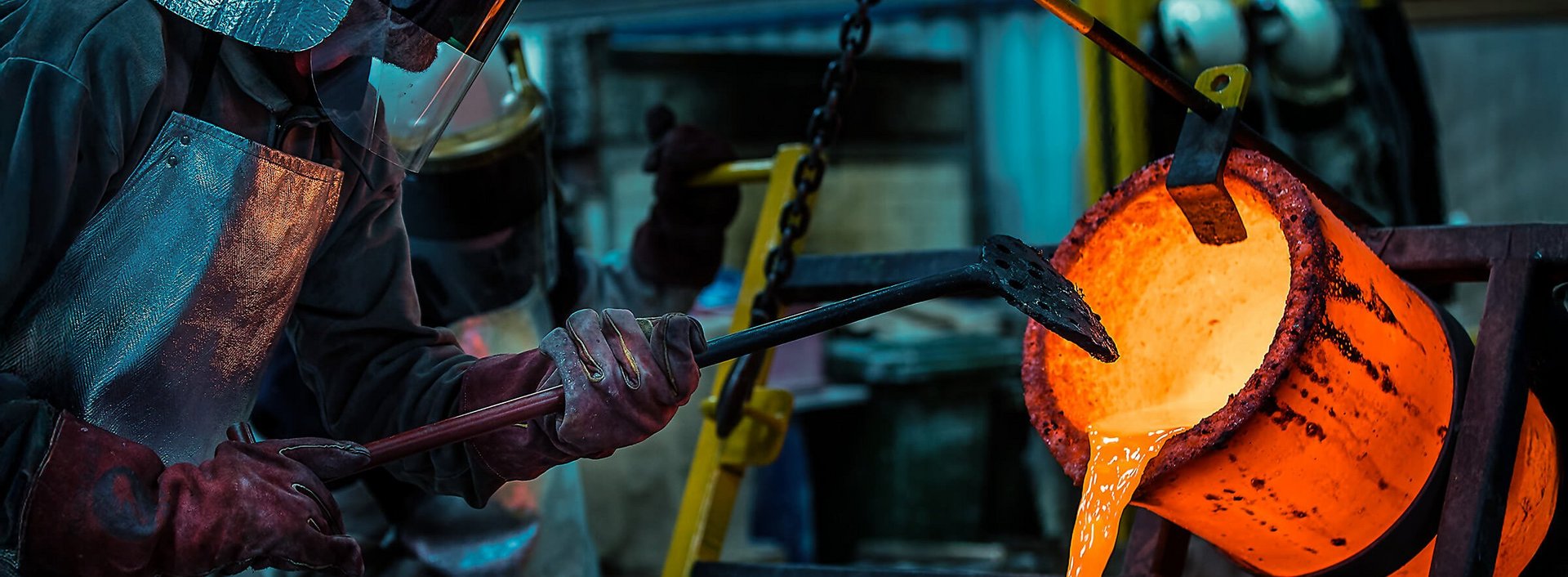
Lots of foundries are implementing standardized operating procedures and extensive testing procedures. By fostering a society of responsibility and constant enhancement, they aim to minimize variants in manufacturing high quality. Training programs for employees are likewise being focused on to protect that staff are skilled in quality control practices. Ultimately, these improved high quality control measures not just improve item integrity but also boost the credibility of light weight aluminum shops in a competitive industry, leading the way for long-lasting success and sustainability.
The Change In The Direction Of Customization and Flexibility
As light weight aluminum foundries enhance their quality control steps, they are also reacting to an enhancing demand for customization and flexibility in manufacturing - Aluminum Foundry. This shift is driven by evolving client choices and the demand for specialized items across different industries. Foundries are adjusting their processes to fit lower volume runs and customized designs, enabling them to satisfy certain customer requirements much more effectively. Advanced innovations, such as additive manufacturing and computer-aided layout, are facilitating this improvement by enabling rapid prototyping and modifications, thereby lowering preparations. Additionally, the assimilation of clever manufacturing methods boosts the flexibility of production lines, allowing foundries to pivot rapidly in action to market changes. The emphasis on personalization not only enhances client complete satisfaction yet likewise settings shops to continue to be competitive in a vibrant market landscape, leading the method for innovation and varied item offerings in the light weight aluminum field
Collaborations and Partnerships in the Market
Partnerships with research study establishments assist in the growth of sustainable methods and brand-new alloys, resolving environmental concerns and regulatory requirements. These cooperations likewise help in knowledge sharing, permitting firms to take on ideal practices and swiftly implement technical improvements.
In addition, strategic alliances with suppliers assure a steady supply chain for resources and advertise cost efficiencies. As the sector deals with obstacles such as labor scarcities and enhancing competitors, these partnerships are critical in driving development and advancement. By working together, aluminum shops can better navigate the complexities of the marketplace and achieve lasting success.
Frequently Asked Questions
What Are the Preliminary Costs of Automating an Aluminum Foundry?
The first prices of automating an aluminum foundry can vary substantially, normally between numerous thousands to numerous million bucks, depending upon the degree of automation, devices top quality, and specific operational demands of the center.
Exactly How Can Tiny Factories Embrace Sustainable Practices Effectively?
Small foundries can embrace sustainable methods efficiently by executing energy-efficient innovations, reusing scrap products, maximizing processes to minimize waste, and utilizing eco friendly materials, promoting a society of sustainability among workers via training and understanding campaigns. Aluminum Casting.
What Function Does Data Security Play in AI Applications?
Data safety is vital in AI applications, making sure the defense of sensitive information, maintaining customer count on, and preventing unauthorized gain access to. By implementing durable security measures, companies can protect information stability and promote conformity with regulations.
Exactly How Will Additive Production Affect Standard Casting Methods?
Additive production will boost traditional spreading methods by enabling more complicated geometries, decreasing material waste, and shortening production times. This combination may lead to a hybrid technique, maximizing performance and broadening layout opportunities in production.
What Skills Will Be The Majority Of popular in Future Light Weight Aluminum Foundries?
In future aluminum foundries, skills in additive production, data evaluation, automation, and sustainability practices will be paramount. Employees skillful in innovative innovations and environmentally-friendly processes will remain in high need, driving market technology and effectiveness.
Factories are significantly executing closed-loop systems, enabling scrap light weight aluminum created throughout production to be recycled and reintegrated right into the manufacturing cycle. Additive production is rapidly transforming aluminum factories by boosting style capabilities and making it possible for more complex geometries. Technology in layout abilities has transformed the landscape of light weight aluminum foundries, especially through the assimilation of additive production innovations. Emerging fads in affordable production approaches have reinvented the light weight aluminum foundry market, especially via advancements in additive production. As aluminum factories improve their top quality control steps, they are likewise reacting to an increasing demand for personalization and adaptability in manufacturing.